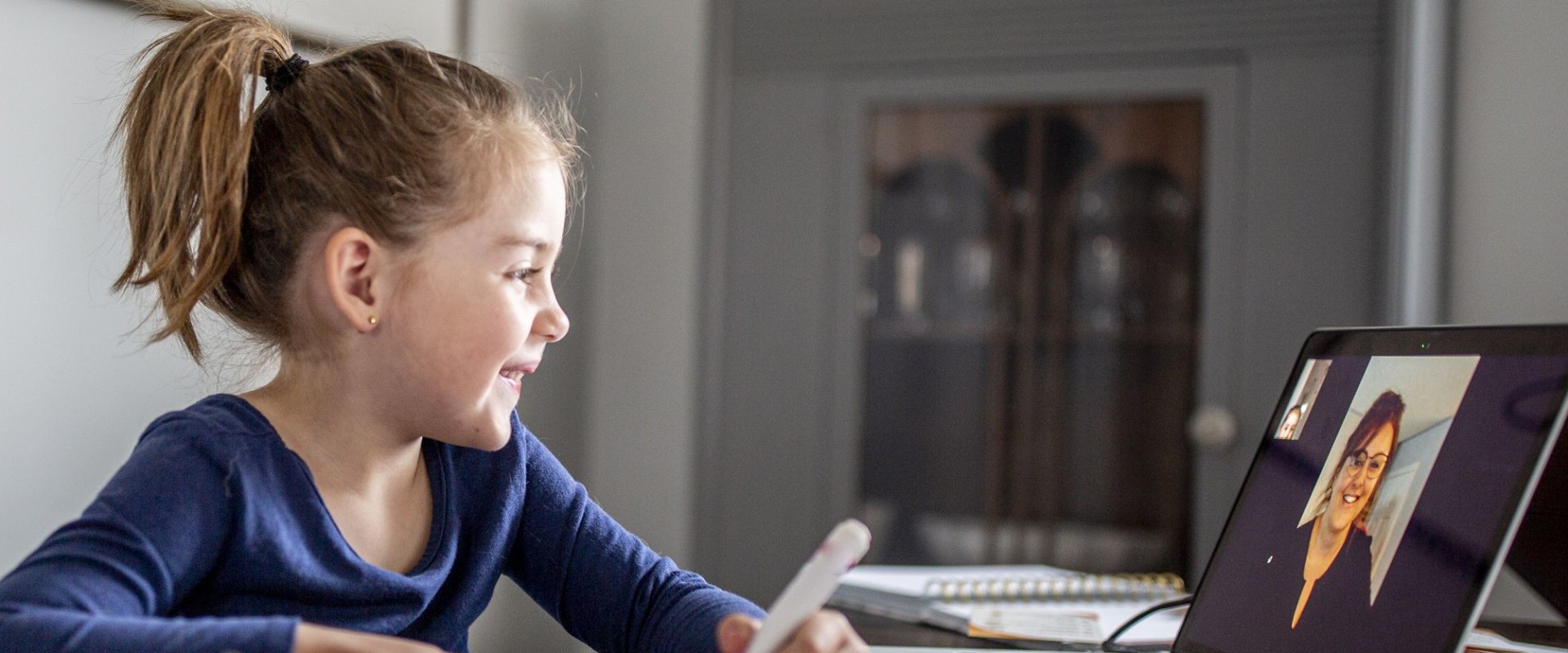
Tutoring is a great way to help students reach their academic goals, but it's important to make a positive first impression during the initial session. To ensure that your first tutoring session is successful, it's important to prepare in advance. Start by creating a short pre-test to assess your student's strengths and weaknesses. This will help you create a lesson plan that is tailored to their individual needs.
If you're looking for additional support, consider using the services of Profs online oxbridge tutors to ensure that your student gets the best possible tutoring experience. Divide your lesson plan into smaller, easier to digest sections. This will help keep your student engaged and make it easier for them to understand the material. Allow some time at the end of the session to summarize what was discussed and review any questions they may have. In addition to teaching, it's important to give your student some independent work. If you're looking for additional support, consider using the services of Profs online oxbridge tutors to ensure that your student gets the best possible tutoring experience. Divide your lesson plan into smaller, easier to digest sections. This will help keep your student engaged and make it easier for them to understand the material. Allow some time at the end of the session to summarize what was discussed and review any questions they may have. In addition to teaching, it's important to give your student some independent work.
This can be both fun and academic activities that will help them practice what they have learned. You can also add a fun break for stretching or jumping jacks if your child is feeling sleepy that day. When meeting with your student for the first time, it's important to make them feel comfortable and welcome. Wear clothing that is appropriate for the occasion and make sure you are well groomed.
These simple clothing tricks can instantly make you look more welcoming and friendly, a prerequisite for becoming a successful tutor. During the first session, introduce yourself and ask your student some questions about themselves. Your goal is to establish a friendly relationship so they feel at ease. Ask questions about their interests, what motivates or excites them, life at school, TV shows or books that interest them, etc. Your tutor will also spend some time assessing your strengths and weaknesses so they can design a learning program that suits you.
They will ask you questions about your skills and understanding of the topic at hand. At the end of the session, always seek feedback from both the student and parents. Knowing what to expect in the initial tutoring session will make you less daunting, help you prepare, and ensure that you get the most out of the initial tutoring session. Finally, don't forget to share with your tutor things you like about school, what sports or instruments you play, etc. This will help build a strong relationship between you and your student.